

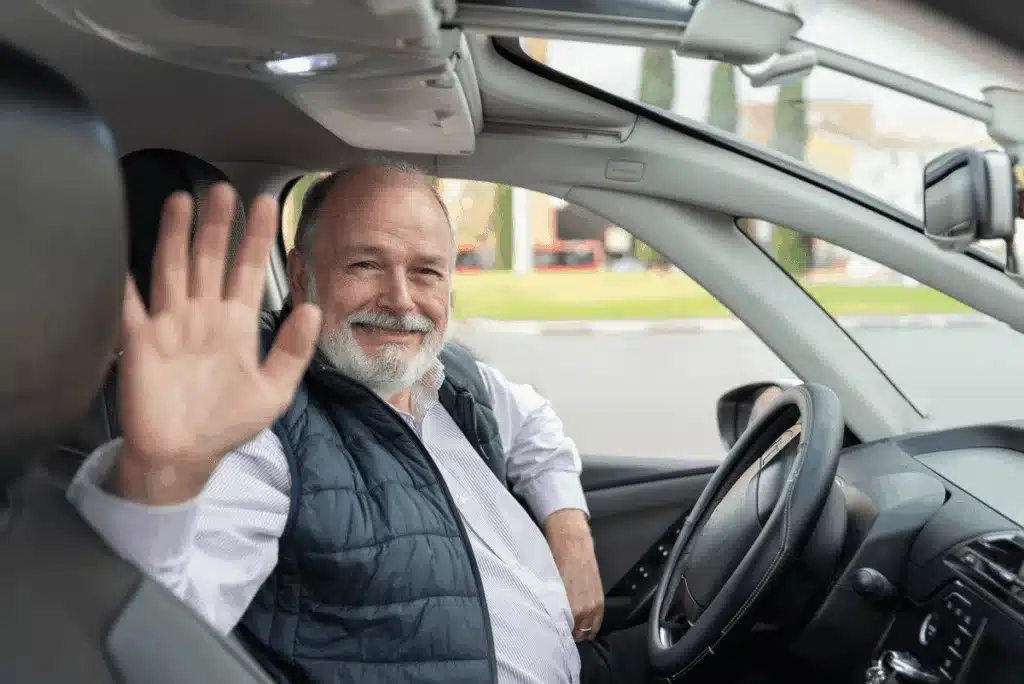
A properly structured Commercial Auto Insurance policy is built for vehicles used in business. It is the same type of policy that insures small delivery fleets, service vans, and other work vehicles.
Garrett’s broader commercial insurance options can also pair commercial auto with other protections, such as general liability or a business owners policy, if you are running a small company with multiple vehicles or employees. For drivers and small businesses that rely on rideshare or delivery income, a commercial auto policy can help:
- Provide higher liability limits if you injure someone or damage their property
- Cover your vehicle for collision and comprehensive losses while it is being used for work
- Clarify which drivers are allowed behind the wheel
- Protect branded or wrapped vehicles that are clearly being used for business
Understanding When Platform Coverage Does and Does Not Apply
Most major platforms, including Uber and Lyft, provide some insurance while you are using their apps. However, that coverage is usually divided into “periods” that depend on what you are doing at the time of an accident:
- App off: Your personal auto insurance is expected to respond
- App on, waiting for a ride or delivery: Limited platform coverage may apply, often at lower limits
- Trip accepted or passenger/order in the car: Higher limits usually apply, but only while the trip is active
When a Commercial Auto Policy Makes Sense
There is no single rule that fits everyone, but commercial auto insurance tends to make the most sense when:
- Driving for hire is a major source of your income, not just an occasional weekend job
- You use the same vehicle for both business and personal driving regularly
- You manage multiple vehicles or hire other drivers to work with you
- Your car is branded with a logo, business name, or wrap signaling commercial use
Check out this article on whether to put a vehicle in personal or commercial insurance, which explores this question from a small business perspective and reinforces that the right answer depends on how often and how intensively the vehicle is used for work.
Even if you are starting with a single vehicle, talking through your driving patterns with an advisor can help you decide whether a rideshare endorsement, a commercial policy, or a combination is the better long-term fit.
Questions to Ask Before You Call an Agent
Before you talk to an agent about commercial auto or rideshare coverage, it helps to gather a few simple details about how you drive. You do not need exact numbers or spreadsheets. Even a rough estimate of hours, miles, and job types can help your agent see whether your current personal policy can be adjusted or whether it is time to look at commercial options:
- How many hours per week do you spend on Uber, Lyft, or delivery apps
- Do you also use the vehicle for another business, such as contracting or real estate
- Are there other drivers in your household who use the same car
- Do you cross state lines or work in multiple cities regularly
Why Work With an Independent Insurance Agent
Coverage for rideshare and delivery drivers has changed quickly, and not every insurer handles it the same way. An independent insurance agent works with multiple companies and can compare how different carriers treat app-based driving, endorsements, and commercial auto policies. Instead of getting a quick yes or no from a single company, you gain advice from someone who can lay out a few paths and help you choose a combination of personal, rideshare, and commercial coverage.
If you are already driving for Uber, Lyft, DoorDash, or similar apps, or you are thinking about signing up, now is a good time to make sure your coverage matches your real-world risk. Every driver’s situation is different, and every app has its own rules. With clear information and the right coverage in place, you can keep driving for hire knowing you have a policy designed for the way you actually use your vehicle.
To talk through your situation, contact Garrett Insurance today and request a review of your auto coverage. We will ask about how you use your vehicle, explain how personal, rideshare, and commercial policies interact, and help you decide whether commercial auto insurance or another option is the right next step.
Disclaimer: This content is for informational purposes only and does not constitute professional advice.
