

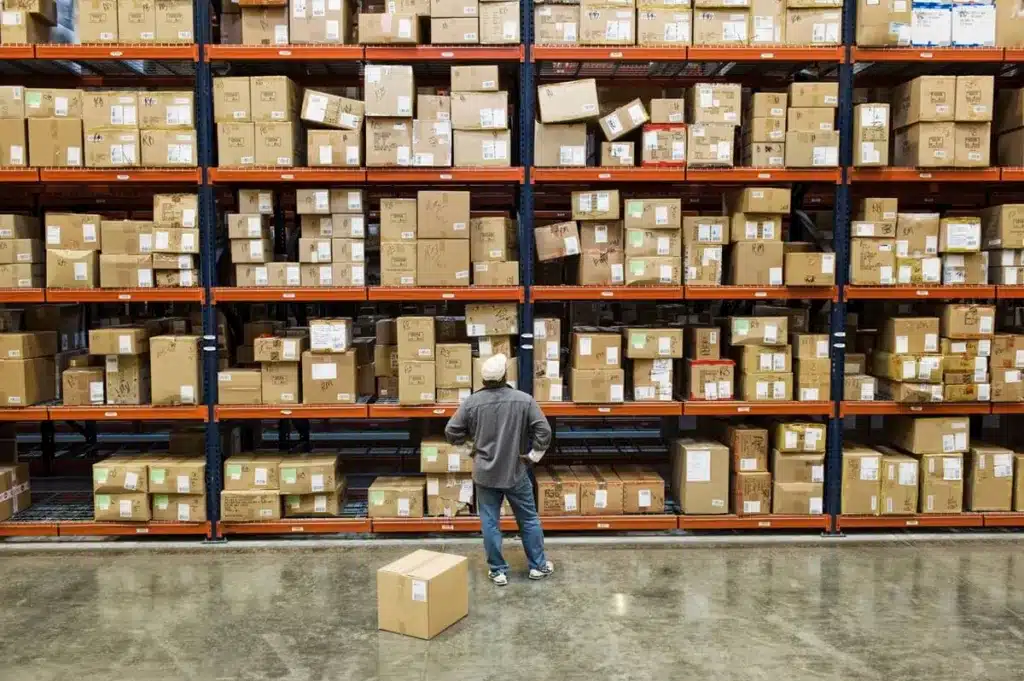
For retail businesses, inventory is one of the most valuable assets. Whether you operate a storefront, an online shop, or both, your products represent a significant investment. Damage, theft, or loss of inventory can disrupt operations and create serious financial setbacks. That is why understanding inventory insurance is essential for protecting your business.
Inventory insurance is typically included as part of a commercial property policy, but not all policies provide the same level of protection. Knowing what is covered and how to structure your coverage can help ensure your business is prepared for the unexpected.
What Is Inventory Insurance?
Inventory insurance helps cover the cost of goods that are damaged, destroyed, or stolen due to covered events. This may include risks such as fire, certain types of water damage, vandalism, or theft.
For many retailers, this coverage extends beyond items on display. It can also include stock stored in back rooms, warehouses, or even in transit, depending on the policy terms.
Common Risks Retailers Face
Retail businesses encounter a wide range of risks that can impact inventory. Some of the most common include:
- Theft or burglary
- Fire or smoke damage
- Water damage from plumbing issues or storms
- Vandalism
- Supply chain disruptions that delay or damage shipments
Even a single incident can result in significant losses, especially during peak sales periods.
Understanding Coverage Limits and Valuation
One of the most important aspects of inventory insurance is how your stock is valued. Policies may reimburse losses based on actual cash value or replacement cost.
Actual cash value accounts for depreciation, meaning you may receive less than what it costs to replace the items. Replacement cost coverage provides funds to purchase new inventory at current prices, which can offer stronger protection.
It is also important to review your coverage limits. If your inventory fluctuates throughout the year, such as during seasonal spikes, your policy should reflect those changes. Some businesses choose policies with adjustable limits to account for these variations.
Off Site and In Transit Coverage
Retailers often store inventory in multiple locations or ship products to customers. Standard property policies may have limitations on coverage for goods outside your primary location.
To address this, businesses may need additional coverage for off site storage or goods in transit. This ensures your inventory is protected throughout the supply chain, not just within your store.
Preventing Losses Through Risk Management
Insurance is an important safeguard, but prevention plays a key role in protecting inventory. Retailers can reduce risk by installing security systems, using inventory tracking tools, and maintaining proper storage conditions.
Regular audits and accurate record keeping also make it easier to manage inventory levels and support claims if a loss occurs.
Working With an Insurance Professional
Inventory insurance can vary based on your business model, product type, and storage practices. Working with an insurance professional can help you evaluate your risks and choose the right level of coverage.
They can also help identify gaps, such as limited coverage for high value items or exclusions that may affect your operations.
Protecting Your Retail Investment
Inventory is the backbone of any retail business. Without proper protection, unexpected events can lead to costly disruptions and lost revenue. By understanding your coverage options and maintaining strong risk management practices, you can better safeguard your business.
At Garrett Insurance, we help retail businesses find coverage solutions that protect their inventory and support long term success. Contact us today to learn more about how we can help protect your business.
