Types of Commercial Insurance –
Protecting Your Business from Every Angle

EXECUTIVE SUMMARY
Business insurance protects your company from risks that can disrupt operations or drain resources. This guide explains the 10 core types of commercial insurance, shows you how to choose the right coverage, and highlights industry-specific policies for regional businesses.

CORE COMMERCIAL INSURANCE TYPES

Insurance is not a luxury; it’s a necessity. According to Insurance Business Magazine, 40% of small businesses will file an insurance claim in the near future. Insurance is indispensable when so many companies face potential risks. Core policies are the primary shield that helps those businesses recover quickly and forge ahead.

General liability plans protect against a wide range of risks and can be coupled with similar options that include advertising disputes, property liability, and more. Liability coverage is vital for many reasons, serving as the foundation for a complete business protection plan.

No two businesses are the same. The thing is, they all need specialized options to fill coverage gaps. Here are a few of the commercial insurance coverages we will explain in more detail:

General liability insurance protects businesses when third parties claim bodily injury, property damage, or reputational harm. It covers medical bills, repair costs, and legal defense if accidents or mishaps occur on your premises or as a result of your operations. For many companies, this is the most essential line of defense.

Related protections may include advertising liability, which covers disputes like copyright infringement or defamation, and product liability endorsements for businesses that sell physical goods. Contractors may also extend coverage with higher limits for on-site risks. These options ensure liability coverage adapts to the unique exposures of each industry.

Property insurance protects your business assets like buildings, equipment, furniture, and inventory against risks such as fire, theft, vandalism, or storm damage. It helps cover the cost of repair or replacement so your company can recover quickly after a loss. For many small businesses, this is the second most important layer of financial protection after liability coverage.

Related options include business personal property insurance, which extends protection to items inside your building, and inland marine coverage for equipment or tools frequently moved between job sites. Some businesses also add flood or earthquake endorsements, since standard property insurance usually excludes those events. These additional layers ensure your physical assets stay covered in a wide range of scenarios.

Inland marine insurance protects tools, equipment, and materials in transit. It also covers items stored off-site or used on a job. This is critical for contractors, builders, and mobile service businesses. It helps replace high-value items lost to theft or accidents.

Related options expand coverage further. Equipment breakdown insurance covers sudden mechanical failures of key systems. Installation floater policies protect materials waiting to be installed at customer sites. Together, these policies help keep projects on track when equipment is damaged.

Commercial auto insurance protects your business when a work vehicle causes injury or damage. It also covers repair costs when the vehicle is damaged. Garrett Insurance offers policies for company cars, vans, trucks, and fleets. Coverage includes liability, property damage, and repairs.

Protection also applies when employees drive vehicles for errands, deliveries, or job sites. Policies may include collision, comprehensive, rental reimbursement, or uninsured motorist coverage. Whether a vehicle belongs on a commercial policy depends on how it is used.

Professional liability insurance protects against mistakes in advice or service. It covers negligence, errors, or omissions that harm a client. Directors and officers (D&O) insurance extends protection to company leaders. It helps defend against claims tied to management decisions or fiduciary duties.

Product liability insurance protects businesses that make, sell, or distribute goods. It covers claims when a product causes harm. Protection includes legal defense, settlements, and medical costs.

Cyber crime protection refers to the combined strategies, policies, and insurance coverage that help businesses safeguard against digital threats. While traditional property insurance covers physical damage, cyber liability policies focus on losses tied to data, networks, and technology. These can include data breaches, ransomware attacks, or stolen customer information. Beyond insurance, cybercrime protection also involves proactive security measures such as employee training, encryption, and incident response planning.

Business interruption insurance replaces income when operations are forced to stop. Covered events include fire, storm damage, or other insured losses. It helps pay rent, utilities, and payroll during downtime. Extra expense coverage can be added for temporary offices or rented equipment. Civil authority coverage applies when government orders block access to your building. These protections keep cash flow steady until normal operations resume.

A bakery closed for two months after a fire.

Business interruption insurance replaced lost income and covered payroll.

The staff stayed employed, and the business reopened without debt.

Umbrella insurance adds coverage when your main policy limit is reached. A general liability policy may cover $1 million, but a serious lawsuit could cost $1.5 million. In this case, the umbrella policy pays the extra $500,000. It works the same way for commercial auto or employer liability policies. This added protection makes sure one claim does not drain business assets.

Umbrella policies also broaden coverage in some cases. For example, a general liability policy may not cover certain claims, but the umbrella policy fills that gap. Businesses with vehicles, multiple worksites, or customer-facing locations benefit most. Umbrella insurance is cost-effective compared to raising limits on each policy separately. It acts as a safety net that reinforces the protection already in place.

umbrella insurance

Workers’ compensation insurance provides medical and wage benefits to employees injured at work. It protects the employee by covering hospital bills, rehabilitation costs, and lost income. At the same time, it protects the employer by reducing lawsuits tied to workplace accidents. Most states require this coverage, making it a critical part of compliance for nearly every business. Without it, costs from injuries can overwhelm both employees and employers.

Coverage also adapts to different industries and job risks. A construction worker may face accidents with heavy equipment, while an office employee could develop repetitive stress injuries. Workers’ compensation helps in both cases. It pays medical expenses, covers a portion of lost wages, and may provide disability benefits if needed. This balance ensures businesses remain compliant while employees receive reliable support during recovery.

Key person insurance protects a business if a critical person dies or becomes disabled. It provides funds to offset lost revenue, cover hiring and training costs, and stabilize operations. This policy helps ensure the company can continue running without financial collapse. For many small businesses, the absence of one key person can create serious risks.

Coverage often applies to owners, executives, or employees with unique skills. The payout can be used to pay debts, reassure investors, or maintain payroll while the company restructures. Key person insurance is not just financial protection. It signals to employees, lenders, and clients that the business has a plan to survive unexpected leadership loss.

Business Owner’s Policy – Bundled Policies

A Business Owner’s Policy (BOP) combines several essential protections into one package. Instead of buying separate policies, businesses can streamline coverage and save costs. Most BOPs include general liability, property insurance, and business interruption coverage. This means you’re covered if a customer is injured, your building is damaged, or operations are forced to pause. A BOP gives small and mid-sized businesses a solid foundation of coverage at a predictable price.

The strength of a BOP lies in its flexibility.

Additional protections can be bundled, such as crime insurance, equipment coverage, or even cyber endorsements. This structure allows businesses to add or scale coverage without rebuilding their entire policy portfolio. By tailoring options, owners can match policies to their industry risks while keeping insurance management simple. A BOP is most useful for small businesses that own property, handle customer interactions, or rely on uninterrupted operations. For example, a retail shop benefits from property and liability coverage, while the included business interruption coverage replaces lost income after a fire. Contractors, medical practices, and offices can all adapt a BOP to fit their unique needs.
business owners policy

Garrett Insurance works with independent carriers to design BOPs that balance protection and cost.

By reviewing operations, assets, and potential risks, our team helps owners select the right mix of core protections and add-ons. The result is one policy that’s easier to manage, covers more risks, and keeps the business resilient against unexpected loss.

OUR TRUSTED PROVIDERS

Required vs. optional coverage

Some business insurance is required by law, while other policies are optional but highly recommended. Knowing the difference helps owners stay compliant without leaving gaps in protection. For example, workers’ compensation is mandatory in most states if you have employees. Commercial auto insurance is also required if your company owns vehicles. These coverages are non-negotiable, and failing to carry them can lead to fines or legal exposure.

Optional coverage depends on your industry, size, and risk level. Umbrella policies are valuable for companies with significant assets. Key person insurance is often chosen by small businesses that rely on one leader or specialized employee. Crime, cyber, or inland marine coverage may be essential for some industries but unnecessary for others. These options let businesses add protection where they need it most.

When Optional Coverage Becomes Required:

  • Retailers – Liability coverage often required by landlords for leased space.
  • Construction companies – Inland marine coverage expected for tools and equipment on job sites.
  • Healthcare practices – Professional liability insurance required by many client contracts.
  • Manufacturers – Product liability insurance needed by distributors or lenders financing goods.
Garrett Insurance helps businesses sort through these requirements and options. We analyze compliance needs alongside your industry-specific risks. Then we recommend a mix of mandatory and elective coverages that keeps your business safe while avoiding unnecessary costs. This approach ensures you meet all obligations and still customize protection for your unique situation.

business insurance checklist

Building the right insurance plan requires more than just choosing basic policies. A checklist helps confirm coverage, compare options, and avoid costly gaps. Use this guide to build a full-featured plan that grows with your business.
Start with The Essentials

Secure general liability, property, and workers’ compensation insurance. Add commercial auto if you own vehicles. Include business interruption coverage if downtime would threaten operations. These form the foundation of any plan
Expand for Your Industry

Contractors often need inland marine insurance. Retailers may require product liability coverage. Service providers benefit from professional liability or cyber endorsements. Choose options that reflect the risks of your field.

Review Financial Details

Compare deductibles, limits, and bundled options. Balance affordability with strong protection. Conduct annual reviews, since payroll, revenue, and inventory changes often require policy adjustments. Coverage should evolve as your business grows.

Check Contractual Requirements

Landlords, lenders, and clients often demand specific coverage. A landlord may require liability insurance. A lender may insist on property coverage for financed equipment. Review agreements carefully.

Plan for Claims Support

Policies are only as strong as the service behind them. Ensure you have a trusted advisor who can help manage claims quickly and reduce downtime.

At Garrett Insurance, our independent agents suggest coverage plans that conform to your unique needs. Talk to us about a checklist that is tailored to you.

how to choose the right insurance

Choosing the right insurance requires more than just comparing prices. Business owners must look closely at risks, evaluate assets, and plan for long-term growth. Each step in the process has a specific objective that contributes to building a strong coverage plan.

Know Your Insurer

Knowing the reputation of your insurance agent is an important first step. Look for local, well-established independent agents. You can verify an agent’s credentials at the Texas Department of Insurance.

Compare Multiple Quotes

Insurance policies may look alike on the surface, but the details often differ. Premiums, deductibles, exclusions, and coverage limits can change the real value of a policy. Comparing multiple quotes side by side ensures you’re not just chasing the cheapest rate but choosing protection that balances cost and coverage.

Read the Fine Print

Policies are full of terms that can limit or exclude coverage. Common gaps include floods, cyberattacks, or internal fraud. By reading the fine print and checking endorsements, business owners avoid surprises at claim time. This step is about making sure coverage works the way you expect when you need it.

Work with an Agent

An independent agent has access to multiple carriers, which means more options for customizing protection. Their role is to understand your business operations and match coverage to real-world risks. This avoids cookie-cutter policies and creates a plan that actually fits your company’s needs.

Schedule Annual Reviews

Businesses evolve quickly, and insurance should evolve with them. Changes in payroll, inventory, property values, or new service offerings can all create gaps in coverage. An annual review ensures policies stay up to date and aligned with current operations. By adjusting coverage regularly, owners maintain compliance, control costs, and keep protection relevant year after year.

Know Your Insurer

Knowing the reputation of your insurance agent is an important first step. Look for local, well-established independent agents. You can verify an agent’s credentials at the Texas Department of Insurance.

Compare Multiple Quotes

Insurance policies may look alike on the surface, but the details often differ. Premiums, deductibles, exclusions, and coverage limits can change the real value of a policy. Comparing multiple quotes side by side ensures you’re not just chasing the cheapest rate but choosing protection that balances cost and coverage.

Read the Fine Print

Policies are full of terms that can limit or exclude coverage. Common gaps include floods, cyberattacks, or internal fraud. By reading the fine print and checking endorsements, business owners avoid surprises at claim time. This step is about making sure coverage works the way you expect when you need it.

Work with an Agent

An independent agent has access to multiple carriers, which means more options for customizing protection. Their role is to understand your business operations and match coverage to real-world risks. This avoids cookie-cutter policies and creates a plan that actually fits your company’s needs.

Schedule Annual Reviews

Businesses evolve quickly, and insurance should evolve with them. Changes in payroll, inventory, property values, or new service offerings can all create gaps in coverage. An annual review ensures policies stay up to date and aligned with current operations. By adjusting coverage regularly, owners maintain compliance, control costs, and keep protection relevant year after year.

Niche markets & specialized coverage

Propane Industry

Propane distributors and service companies manage flammable materials every day, which creates heightened liability risks. Specialized commercial policies extend coverage to fuel storage, transportation, and on-site servicing. These protections help mitigate accidents, environmental hazards, and compliance-related costs while keeping operations safe and compliant.

Trucking & Transportation

Trucking companies need more than standard auto coverage. Specialized policies address cargo liability, long-haul exposures, and federal/state transportation regulations. Protection often includes downtime coverage for disabled vehicles and liability for freight damage. Tailored trucking insurance keeps fleets on the road and customers satisfied.

Agriculture, Farm & Ranch

Farmers and ranchers require broad protection that combines property, liability, and crop coverage. Policies are designed for barns, machinery, livestock, and harvested crops. Many also include endorsements for agribusiness operations such as roadside stands or custom harvesting. These plans protect not just the land but the livelihood tied to it.

Medical & Laboratory

Medical practices and labs carry significant professional liability exposure. Malpractice, errors and omissions, and specialized equipment coverage are essential. Policies can be customized to cover diagnostic equipment, refrigerated storage, and contamination risks. This combination protects patients, providers, and sensitive assets in highly regulated environments.

Energy Sector

Oil, gas, and renewable energy companies face large-scale risks, from equipment failure to environmental liability. Specialized energy insurance includes coverage for drilling operations, pipeline transport, and site restoration. Endorsements often address pollution cleanup and contractual liability, helping businesses stay resilient against high-value claims.

Pre-Owned Vehicle Dealers

Auto dealerships need coverage that goes beyond the lot. Garage liability, dealer’s open lot insurance, and coverage for test drives are critical.These policies protect inventory, staff, and customers in situations that standard auto insurance won’t cover. Dealers also benefit from title and fraud protection that shields against paperwork errors.

Contractors

Contractors operate in dynamic environments where tools, equipment, and labor all carry risks. Inland marine, builder’s risk, and contractor liability policies cover theft, site damage, and work-related claims. Optional endorsements can address subcontractor liability or project-specific exposures. Tailored contractor coverage keeps jobs moving forward while managing potential setbacks.

frequently asked questions

Q: What’s included in a Business Owner’s Policy (BOP)?

A: A Business Owner’s Policy usually combines general liability, property insurance, and business interruption coverage into one package. This bundled approach streamlines protection and helps reduce costs, while still allowing for additional endorsements such as crime or equipment breakdown insurance.

Q: How does coverage differ by industry?

A: Industries have different risk profiles, and that means coverage priorities shift. A restaurant might focus on food safety liability and strong property insurance to protect its equipment and inventory. A medical practice will need malpractice protection and coverage for sensitive clinical equipment. A trucking company, by contrast, often requires cargo liability, commercial auto insurance, and specialized options for downtime or freight damage.

Q: Should I buy flood insurance for my business?

A: Flood insurance is recommended for businesses located in flood-prone areas or when required by lenders. Standard property policies usually exclude flood damage, so a separate policy is often necessary to protect both the building and its contents. This ensures that recovery is possible even after severe weather events.

Q: How do commercial auto insurance premiums differ from personal auto insurance?

A: Commercial auto insurance is designed for vehicles used in business operations, which usually involve higher risks than personal use. It often includes higher liability limits, coverage for multiple drivers, and protection for cargo or equipment transported. Because of these factors, premiums tend to be higher than personal auto policies.

Q: Why use an independent insurance agent when choosing a policy?

A: Independent agents work with multiple carriers, which gives them flexibility to compare options and recommend coverage that matches your unique business needs. They can identify policy gaps, explain differences in protection, and adapt coverage as your operations evolve. This objective guidance makes it easier to secure the right policy at the right price.

key takeaways

key takeaways

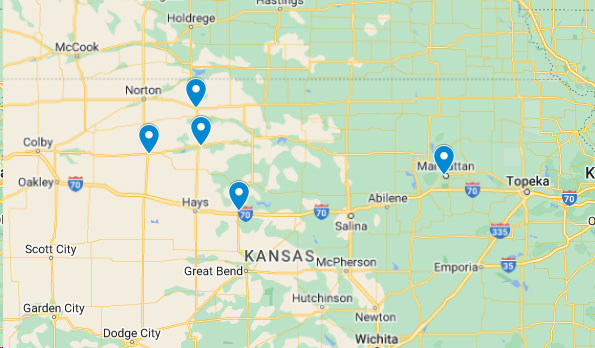
Garrett Insurance is your trusted partner for reliable, expert business insurance and risk management. Wherever your company is located, you can request a quote quickly through their website to get tailored coverage that fits your specific needs. Their network of offices lets you meet locally with agents who understand your regional regulations and industry-specific risks.

The Right Coverage Starts with The Right Partner.

Garrett Insurance works with multiple carriers to design policies that match your risks, budget, and growth plans. Don’t leave your business exposed to chance. Get a quote today as your first step toward securing your business. Our agents are ready to guide you through every stage of the process.

OUR PROMISE TO YOU

Reach out today and find out how to get the best in commercial and personal insurance coverage for you, your family, and your business.

TESTIMONIALS

Accessibility Toolbar

Garrett-Insurance-logo | Farm Insurance | Cost-Effective Solutions for Farmers
Privacy Overview

This website uses cookies so that we can provide you with the best user experience possible. Cookie information is stored in your browser and performs functions such as recognizing you when you return to our website and helping our team to understand which sections of the website you find most interesting and useful.