

Performance, Contractor and License Bonds for Businesses
Surety Bonds in Texas and Kansas
When your business is required to guarantee performance, meet licensing requirements, or fulfill contractual obligations, a surety bond provides the financial backing needed to move forward with confidence.
Garrett Insurance helps businesses across Texas and Kansas secure the right surety bond quickly and efficiently. With 12 locations serving both states, our bond specialists understand state regulations and industry requirements, helping you stay compliant and competitive.
What Is a Surety Bond?
A surety bond is a three-party agreement between:
- The Principal – your business
- The Obligee – the entity requiring the bond
- The Surety – the insurance company guaranteeing the obligation
If the principal fails to meet the obligation, the surety provides compensation up to the bond amount.
Surety bonds are commonly required in construction, government contracts, court proceedings, and professional licensing.
Types of Surety Bonds We Provide
Garrett Insurance offers a wide range of surety bond solutions, including:
Court and Fiduciary Bonds
- Court Bonds
- Conservator Bonds
- Probate Bonds
License and Permit Bonds
- Professional License Bonds
- Public Official Bonds
- Liquor License Bonds
- Permit Bonds
Contractor and Construction Bonds
- Performance Bonds
- Payment Bonds
- Bid Bonds
- Maintenance Bonds
- Contractor License Bonds
- Subdivision Bonds
Our team works with contractors, developers, business owners, and public officials across Texas and Kansas to secure the appropriate bond for their specific obligation.

Why Businesses Choose Garrett Insurance
- Knowledge of Texas and Kansas bonding requirements
- Access to competitive surety markets
- Flexible underwriting solutions
- Fast turnaround times
- Personalized guidance from experienced bond specialists
Whether you are bidding on a project, expanding operations, or fulfilling a regulatory requirement, we help protect your commercial responsibilities.
Request a Surety Bond Quote Today
If your business needs a surety bond in Texas or Kansas, Garrett Insurance is ready to assist.
Contact our bond specialists today to discuss your requirements and receive a customized bond quote designed to support your business goals.




















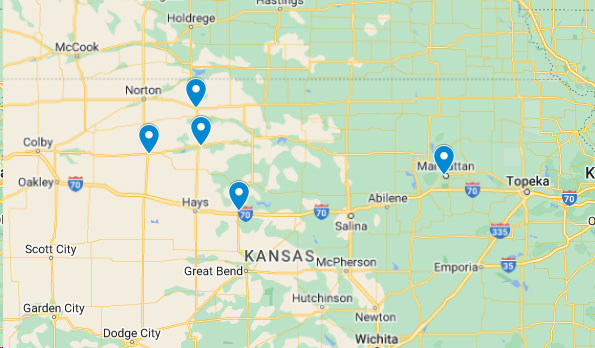
OUR AGENCY LOCATIONS

Frequently Asked Questions
What is a Surety Bond and how does it work?
A Surety Bond is a three-party agreement where a surety company guarantees to a project owner (obligee) that a contractor (principal) will complete a project according to contract terms. If the contractor fails to perform, the surety steps in to ensure completion or compensates the project owner. Unlike insurance, bonds protect the obligee, not the contractor. The contractor remains liable to reimburse the surety for any claims paid.
What types of Surety Bonds are available?
Common types include Contract Bonds (bid bonds, performance bonds, payment bonds for construction projects), Commercial Bonds (license and permit bonds required by government agencies), and Court Bonds (judicial bonds for litigation). Performance Bonds guarantee project completion, Payment Bonds ensure subcontractors and suppliers get paid, and Bid Bonds guarantee contractors will honor their bid and provide required bonds if awarded the contract.
How much does a Surety Bond cost?
Surety Bond premiums often range from roughly 0.5% to 3% of the bonded amount, depending on the applicant’s credit, experience, financial strength, and the nature of the obligation. Premiums are typically charged per bond or per contract, or based on a bond program. Contractors with strong financials, good credit, and proven track records qualify for lower rates. Small bonds under $25,000 may have minimum premiums of $100-$250 regardless of the percentage rate.
What's the difference between a Surety Bond and insurance?
Insurance protects the policyholder from losses, while Surety Bonds protect the project owner or obligee. Insurance expects claims and builds that into pricing, while bonds assume no claims will occur. If a bond claim is paid, the contractor must reimburse the surety company – there’s no “free” coverage like with insurance. Insurance is a two-party contract; bonds involve three parties (contractor, surety, obligee).
Do I need a Surety Bond for my construction business?
Many public construction projects require bonds. For example, federal construction contracts above certain thresholds generally require performance and payment bonds, while state and local requirements vary. Even if not legally required, many project owners request bonds to ensure contractor reliability and project completion. Bonds also demonstrate financial stability and creditworthiness, making you more competitive for larger projects.
Can I get a Surety Bond with bad credit?
Getting bonded with bad credit is challenging but possible. Surety companies evaluate credit, experience, and financial statements. Poor credit typically results in higher rates (3-5% or more), lower bond limits, or collateral requirements. Some specialty surety companies work with higher-risk contractors but charge premium rates. Improving credit, building cash reserves, and demonstrating successful project completion history can help qualify for better bond terms.
How long does it take to get bonded?
For contractors with strong financials and good credit, bond approval can take 24-48 hours for standard bonds under $500,000. Larger bonds or complex projects requiring detailed underwriting may take 1-2 weeks. First-time bond applicants should expect longer processing times while the surety reviews financial statements, references, and experience. Expedited processing may be available in some cases, depending on the surety and circumstances.
OUR PROMISE TO YOU
- We will provide customized solutions and personalized products based on your needs.
- We will be available to you any time so getting important information will be easy for you.
- We will manage your risk as well as any claims that you file.
- We will ease your worry and protect your treasures by transferring identified risks to an insurance product, all the while keeping it simple to understand for you.
We welcome an opportunity to discuss your home insurance needs, so please contact us or give us a call. You can also request a quote if you’re ready to get started.
Let the Garrett Insurance Family give you the Peace of Mind to Focus on What Matters Most to YOU.
TESTIMONIALS
Superior customer service and we’ve been with them for over a decade. They shop the best rates and coverage. We have multiple lines of business through Garrett Insurance and are loyal customers because of their service.
Rated 5 out of 5 stars
Holly Kallemyn
Walked in and was immediately greeted and directed to an office to discuss changing from my prior property/casualty carrier to see if I could get better rates. Linda was very friendly and knowledgeable. Got quote results promptly and decided to go with new carrier. Linda was available at my convenience to submit the paperwork, and I received my new policies promptly. Will not hesitate to recommend this agency if asked.
Rated 5 out of 5 stars
Candace Corwin
Great insurance agency !!! I highly recommend them for any of your needs. Be sure to talk to Linda Areolla she’s very thorough knowledgeable and sweet.
Rated 5 out of 5 stars
Michael Vega
We are very happy with the professionalism of Garrett Insurance. We have been paying for insurance (with many different companies) for over 50 years and we agree, this is the best agency we have dealt with. They are very quick to send an adjuster and handle our claims. They are also most affordable!
Rated 5 out of 5 stars
Carole Bell
Great service, great local company.
Rated 5 out of 5 stars
Kyle Bond
Positive: Professionalism, Responsiveness
Rated 5 out of 5 stars
Eddie Walker
Easy, fast, great service. My number 1 go to for insurance.
Positive: Professionalism, Quality, Responsiveness, Value
Rated 5 out of 5 stars
Mitchell Davis
Very helpful, good service. Friendly staff
Rated 5 out of 5 stars
Jay Graves
Trish was so helpful and professional. Great experience setting up health insurance for our company.
Rated 5 out of 5 stars
Hal Krebs
Very friendly and great with answering my questions. Nice and pleasant atmosphere. Melissa is very nice and courteous. I recommend this company.
Rated 5 out of 5 stars
Vicki Frost
Very reasonable on insurance and their staff is very helpful and friendly!!
Rated 5 out of 5 stars
Curt Counts
Rated 5 out of 5 stars
Garry Stapel
Rated 5 out of 5 stars
Regina Godinez
Best service. Great customer service. Super fast whatever you need, they’ll make sure you get it! You, ladies, are the best!
Rated 5 out of 5 stars
Gina Michelle
Positive: Professionalism, Responsiveness
Rated 5 out of 5 stars
Chelsey Peterson